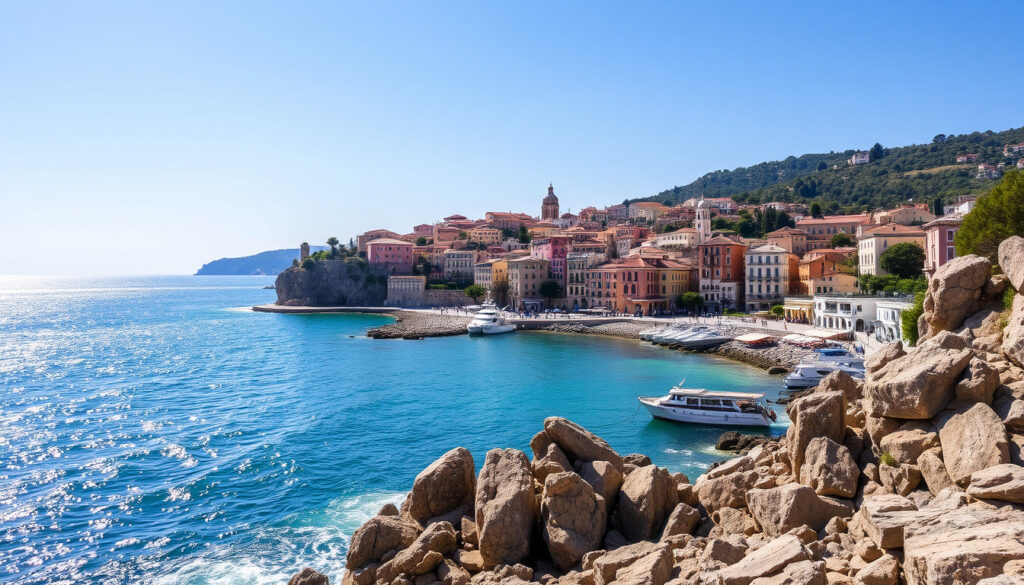
Things to Do in Corfu: Expert Guide, Itineraries & Tips
Few Greek islands create as many conflicting travel stories as Corfu, where Venetian alleys and turquoise coves coexist with loud strip bars and sunburned package deals. The same island holds both worlds, and knowing which one you are booking into makes all the difference.
Island Size: 585 km² ·
Permanent Population: ~100,000 ·
Annual Tourist Arrivals: ~1.5 million ·
Peak Summer Temperature: 34°C (August) ·
UNESCO World Heritage Sites: 1 (Corfu Old Town) ·
International Airport Code: CFU
Quick snapshot
- Corfu Town’s Old Fortress sits on a rocky peninsula in the center of town (Lonely Planet’s Corfu guide)
- The Corfu Trail crosses the island from south to north for over 200 km (Lonely Planet’s Corfu guide) (Lonely Planet’s Corfu guide)
- Budget travelers can manage on €50–€75 per day (Nomadic Matt’s budget guide)
- The exact origin of the nickname “The Green Island” is not formally documented.
- Whether Kavos remains the top party town or newer resorts have overtaken it is still debated.
- May–June and September–October deliver warm weather without peak-season crowds (Nomadic Matt’s budget guide)
- July–August is when prices and temperatures hit their high point.
- Pick your home base first — Corfu Town for culture, Kassiopi for quiet, or the west coast for scenery.
- Then match your day trips to your region so you avoid hours on the bus.
Six numbers tell you most of what matters about Corfu before you look at a single beach photo.
| Key Fact | Value |
|---|---|
| Island Size | 585 km² |
| Permanent Population | ~100,000 |
| Annual Tourist Arrivals | ~1.5 million |
| Peak Summer Temperature | 34°C (August) |
| UNESCO World Heritage Sites | 1 (Corfu Old Town) |
| International Airport Code | CFU |
The pattern is clear: a compact island absorbing a heavy seasonal load. Size matters here because 585 km² keeps distances short — you can cross the island in a couple of hours — while 1.5 million annual arrivals means the experience shifts dramatically depending on when you go.
How many days do I need in Corfu?
Corfu rewards visitors who understand its geography. From the airport in Corfu Town, Paleokastritsa is roughly 25 km away, Kavos about 40 km, and Kassiopi around 35 km. Because the island is narrow and mountain ridges run down the middle, travel times rarely feel punishing — but days can vanish if you pack in stops without a plan. The sweet spot for the overwhelming majority of visitors: 3 days for a rushed highlights trip, 5 to 7 days for a genuinely relaxed visit that lets you see both the cultural core and the coast.
First-time visitors get the most value from 5 days: two in Corfu Town, one on a west coast beach day, one on a boat trip, and one spare for slow mornings or a return visit to a favorite spot.
What is the best month to visit Corfu?
- May–June: Rising temperatures, blooming vegetation, ideal conditions for hiking the Corfu Trail and sightseeing without peak crowds (Lonely Planet’s Corfu guide).
- July–August: Hottest and busiest months. High prices across accommodation and car rental. Best for beach clubs, water sports, and the full resort hum.
- September–October: Settled weather, warm sea, harvest season. Ideal for cultural visits and food tourism.
- November–April: Low season. Many hotels and restaurants close, the island turns quiet, and flights and rooms come cheapest.
A five-day itinerary that respects the geography:
- Day 1: Corfu Town — Old Fortress, Spianada, Liston, and an evening in the narrow lanes (Visit Corfu City guide).
- Day 2: West coast — Paleokastritsa beaches and the monastery, with a swim stop at a cove along the way.
- Day 3: South or north excursion — either the Canal d’Amour near Sidari or a quiet day in Kassiopi.
- Day 4: Boat trip to Paxos and Antipaxos from Corfu Town or a village harbour (a classic choice for hidden coves).
- Day 5: Slow morning in Kanoni, Vlacherna Monastery, and Pontikonisi before your flight (Visit Corfu City guide).
The implication: Corfu works beautifully as a short-haul break because its shape keeps options close. But the reader who “does” the island in 48 hours will mostly remember bus windows. Give yourself five?
Which part of Corfu is the nicest?
Every region has a distinct character. The question isn’t “which is best” — it’s which character matches the trip you want to have. The island’s eastern coast holds the cultured, historic heart; the west offers dramatic cliffs and beaches; the north is greener and quieter; the south leans into resort energy.
Your home base sets the tone for your whole trip. Pick the wrong village and you will spend your week commuting to the version of Corfu you actually wanted.
Each area delivers a distinct holiday, and knowing these differences is the key to a successful trip.
| Region | Character | Best For | Watch Out For |
|---|---|---|---|
| Corfu Town (East) | Venetian architecture, UNESCO-listed old town, cafes along the Liston arcade | Culture lovers, first-timers, food-focused travelers | Parking is a headache; scooters and buses are smarter |
| Paleokastritsa (West) | Iconic cliffs, six coves, monastery views | Scenery chasers, swimmers, photographers | Buses from town cost a few euros but can be crowded in July (Corfu Travel Co’s spending guide) |
| Kassiopi (North) | Fishing village atmosphere, town square, Byzantine castle ruins (Nomadic Matt’s budget guide) | Families, couples wanting quiet evenings | Limited nightlife; small beaches fill by midday |
| Kavos (South) | Party strip, loud bars, youthful energy | Groups, 18–30s nightlife seekers | If you want peace, avoid this area entirely |
Where to go in Corfu for first timers?
Corfu Town is the obvious base and the hardest to beat on logistics, since the airport, port, and bus network all converge there. First-timers who want the classic postcard image — the golden fortress walls, the green hills — should consider splitting their stay: two nights in town, two nights on the west coast near Paleokastritsa. That gives culture plus swimming without any long transfers.
Where not to go in Corfu?
There is no unsafe part of Corfu, but there are wrong fits. Kavos in high season is about organized nightlife, not Greek island tranquility. The busy strip around Roda can feel similarly one-note for travelers seeking authentic village life. The guidebook advice is straightforward: south for parties, north for quiet, and use the middle of the island for hiking, not hotel hunting.
The pattern: choose your region based on your evening mood, not just the beach photos, because daytime sun is plentiful everywhere.
What not to miss in Corfu?
Four headline attractions anchor any Corfu itinerary, and a handful of hidden gems reward visitors who look further. The must-see list:
The famous spots are famous for a reason, but they are also busy by 10:00 in August. Go early, or you will spend your day sharing the view with everyone else’s itinerary.
- Corfu Old Town UNESCO zone — the entire old town is a World Heritage Site and rewards wandering, not just ticking off the Liston and Spianada.
- The Old Fortress — a major landmark on a rocky peninsula in the heart of Corfu Town (Lonely Planet’s Corfu guide).
- Achilleion Palace — the gardens alone justify the trip, with views over the island toward Greece.
- Angelokastro — Byzantine ruins on a mountain peak that once watched over the island’s northwest (Lonely Planet’s Corfu guide).
- Canal d’Amour — the odd, twisting sandstone formations near Sidari, where local legend says swimmers find love.
What are some hidden gems to visit in Corfu?
A few spots reward the detour. The Vlacherna Monastery sits on its own tiny islet, connected by a 300-metre pedestrian bridge — arrive by late afternoon and you may have it nearly to yourself. Kanoni, at the head of the same peninsula, offers the classic postcard view of Pontikonisi (Mouse Island). And the entire Corfu Trail, stretching more than 200 km from south to north, lets serious walkers see the island’s unfiltered side (Lonely Planet’s Corfu guide).
Which side of Corfu is hottest?
The south tends to run warmer and drier in summer, and the west coast catches the afternoon sun along its cliffs. In practical terms, the difference is small — the serious heat is a matter of season, not coast. August averages sit around 34°C across the island, and the smarter move is to rent accommodation with good shade and a sea breeze, whichever side you pick.
The takeaway: no single attraction justifies a trip, but the combo of Old Town, one west coast beach, and a boat excursion captures the island’s personality.
Which is nicer, Crete or Corfu?
These two islands answer different questions. Crete is enormous — around 8,336 km², more than 14 times Corfu’s size — with Minoan ruins, a Samaria Gorge, and microclimates that change from coast to mountain. Corfu is compact, lush, and Italianate in character, with its own cultural charm. For a first Greek island trip, Corfu’s manageable scale wins for short stays.
History buffs and hikers should go to Crete; families and short-break travelers should go to Corfu.
Here is how the two islands stack up across the factors that matter most to travellers.
| Factor | Crete | Corfu |
|---|---|---|
| Size and driving | Huge; you need a car and long transfers (Lonely Planet’s Corfu guide) | Compact; a car is not necessary if you stick to major beaches and villages (Machupicchu travel guide) |
| Highlights | Knossos, Samaria Gorge, Elafonissi | Old Town, Paleokastritsa, Paxos boat trips |
| Character | Vast landscapes, ancient history, windswept coasts | Venetian architecture, greenery, blue coves |
| Best for | History buffs, hikers, return visitors | Families, first-timers, short breaks |
What this means: choosing between them is less about “better” and more about how much driving you want to do after you land.
Why is Corfu so run down?
A common complaint in online reviews paints Corfu as shabby. The truth is more nuanced. Some of what visitors call “run down” is seasonal neglect — winter weather wears at infrastructure, and the island reopens in April with the paint still drying. Some is the gap between postcard expectations and working Greek towns where everyday life happens. And some is real, because parts of the south have aged through decades of package tourism without the investment that the Old Town has received.
Distinguish between temporary winter wear, normal Greek village reality, and true neglect. Corfu Town’s UNESCO zone is carefully preserved; the resort strips are where upkeep falls behind.
Is Corfu cheap to eat out?
Eating in Corfu is cheaper than in Western Europe, but prices vary with location. A budget traveler can manage on €50–€75 per day total, including food (Nomadic Matt’s budget guide). A sit-down dinner in a tourist-trap square will run €20–30 per person — closer to €40 if you add drinks. In a local taverna ten minutes’ walk from the strip, a full meal costs noticeably less and tastes better.
Why this matters: the “run down” critique and the “expensive” critique are really one problem. Visitors who eat and sleep in the tourist zone get the worst version of both.
Where to stay: matching area to traveler type
Your base determines how much you see, how much you spend, and how much you sleep. Choose what fits this trip, and save the other versions for next time.
- Corfu Town: the right default for first-timers, culture lovers, and slow travelers. Everything starts here — buses, walking tours, boat trips.
- Paleokastritsa: for scenery and sea, with a short hop to the island’s most photographed coastline.
- Kassiopi: a genuinely quiet alternative for couples and families who want a village feel (Nomadic Matt’s budget guide).
- Kavos: only if nightlife is the goal. Loud and proud, with little traditional character left.
The implication: your accommodation choice is the single biggest factor shaping your trip, so prioritize location over amenities.
Getting around Corfu without a car
Corfu’s public transport system runs on two networks: blue city buses and green intercity buses. For most visitors, the buses are cheap enough that a rental car becomes a convenience rather than a necessity (Corfu Travel Co’s spending guide). Blue buses serve Corfu Town, the airport, the port, and nearby areas; green buses reach Paleokastritsa, Kassiopi, Sidari, Kavos, Glyfada, and Agios Gordios (Machupicchu travel guide). A one-way green bus ticket usually costs around €2–€5+, with Corfu Town to Paleokastritsa around €2.50 and Corfu Town to Kavos around €4.80 (Corfu Travel Co’s spending guide).
For most visitors, the buses are cheap enough that a rental car becomes a convenience rather than a necessity. Daytime taxis in the Corfu Town area run about €15 — fine for luggage day or late night, too expensive for daily commuting (Visit Corfu transport page).
The pattern: without a car, plan your days around the bus network, but accept that spontaneous detours are harder.
Cost planning: what Corfu actually costs
Budget travelers can manage on €50–€75 per day, and those numbers hold up when you stick to local tavernas, buses, and free beaches (Nomadic Matt’s budget guide). Mid-range travelers should budget €100–€150 per day for a nicer room, occasional taxis, and a restaurant dinner with wine. Kayaking, boat trips, and guided excursions add €30–€80 per activity.
A rough daily breakdown of what to expect:
| Item | Budget | Mid-Range |
|---|---|---|
| Accommodation (per night) | €30–€50 | €70–€120 |
| Meals (three per day) | €15–€25 | €35–€55 |
| Local transport | €3–€10 | €10–€30 |
| Activities | €0–€20 | €30–€60 |
The trade-off: Corfu rewards flexibility. The island is manageable without a car, and a week of bus-based slow travel costs less than one roundtrip at the car rental counter.
Confirmed facts, and what remains unclear
Some things about Corfu are solid enough to build a trip around.
Confirmed: Corfu Old Town is a UNESCO World Heritage Site. The island has a Mediterranean climate. It is one of the most popular Greek islands for UK tourists.
Unclear: The exact origin of the nickname “The Green Island” is not formally documented, and travelers debate whether Kavos is still the top party town or newer resorts have overtaken it.
For the practical traveler, the uncertainty barely matters. The island’s microclimates change more from coast to coast than the guidebooks admit — the west is wetter and greener, the south hotter and drier.
In their own words: voices from Corfu
Gerald Durrell’s “My Family and Other Animals” captured the island’s biodiversity and charm for generations of readers.
Gerald Durrell, naturalist and author
Local tourism representatives increasingly encourage off-season travel, promoting the island’s quiet side to balance the summer rush.
Corfu tourism board representative
Return visitors who come in May or September talk about finding what the island actually is — green, calm, and entirely theirs.
Return visitor testimonial
The consensus across voices: the island has two seasons, and the better one is the one most tourists skip.
Summary: the island that rewards travelers who pay attention
Corfu’s reputation drifts between two extremes — “pretty paradise” from the Old Town and “run down party spot” from the resorts. The truth is that both versions exist, separated by a few kilometers and a few weeks of calendar. Corfu’s geography gives it an unusual gift: a small island where a traveler can change the entire character of the trip by choosing where they sleep and when they visit. For the first-time visitor facing the “Crete or Corfu?” question, the island’s conclusion is strong: come for 5 days, base yourself in Corfu Town, visit the west coast and the old fortresses, and judge the island on those terms — or go to Crete if you want long driving days and ancient ruins, because Corfu’s scale is its sweet spot, not its weakness.
anomadspassport.com, machupicchu.org, visit.corfu.gr, greekislandinfo.com, visitgreece.gr, hilton.com
Frequently asked questions
Is Corfu safe to visit?
Yes. Corfu is a safe destination for families, solo travelers, and groups. The main risks are the usual tourist ones — pickpocketing in busy squares and road safety on narrow mountain lanes. Stick to well-lit streets late at night in Kavos and Roda.
What is the best way to get around Corfu?
Buses are the cheapest and most straightforward option for most visitors. Blue buses cover Corfu Town, the airport, the port, and nearby areas; green buses reach major destinations such as Paleokastritsa, Kassiopi, Sidari, Kavos, Glyfada, and Agios Gordios (Machupicchu travel guide).
Can I use my credit card everywhere in Corfu?
Not everywhere. Large hotels, restaurants, and supermarkets take cards, but small tavernas, bus tickets, and some market stalls are cash-only. Carry €50–€100 in cash and use cards for larger purchases.
Do I need a visa to visit Corfu?
Corfu is part of Greece and the Schengen Area. EU citizens do not need a visa. Visitors from the UK can travel visa-free for short stays. Travelers from the US, Canada, Australia, and New Zealand do not need a visa for stays up to 90 days. Always check current regulations before booking.
What language do they speak in Corfu?
Greek is the official language. English is widely spoken in tourist areas, hotels, and restaurants. A few Greek phrases — “efharisto” (thank you), “kalimera” (good morning) — are always appreciated.
Is Corfu a party island?
Parts of it are. Kavos in the south is a dedicated party resort, and Sidari has a lively strip. The rest of the island — Corfu Town, Kassiopi, Paleokastritsa — is relaxed and family-friendly. Corfu is what you choose to make of it.
Related reading
- Things to Do in Venice: Top Attractions & Hidden Gems (2025 Guide) — another compact Italianate city, useful comparison for travelers planning trips across the Adriatic.
- Turkey Travel Warning Paragliding: 2025 Safety Guide — relevant context for travelers exploring the wider Eastern Mediterranean region.
Corfu is a Greek island with its own identity — neither the overcrowded myth nor the faded disappointment some reviews claim. Visitors who plan by region, rather than by screenshot, get the version that matches their travel style. The island’s main promise is that it delivers what you choose to look for: history, scenery, quiet coves, or a week of sunset dinners in a harbor town. Choose your region honestly, and let the island do the rest.
More related posts
 Charlotte Tilbury Setting Powder Review: Is It Worth It
 Best Shows on Netflix: Top 10 by IMDb & Rotten Tomatoes
 Irish Army Ranger Wing: Roles, Training, Selection
 Formula 1 2025 Schedule: Full Race Calendar, UK Times & More
 An Post Loan Application: How to Apply, Approval Time & Rates
 Free JPG to PDF Converter: 5 Best Tools Compared
 Kids Science Experiments at Home – Easy Household Activities
 Dingle to Tralee Bus: Timetable, Fare & Route 275 Guide
