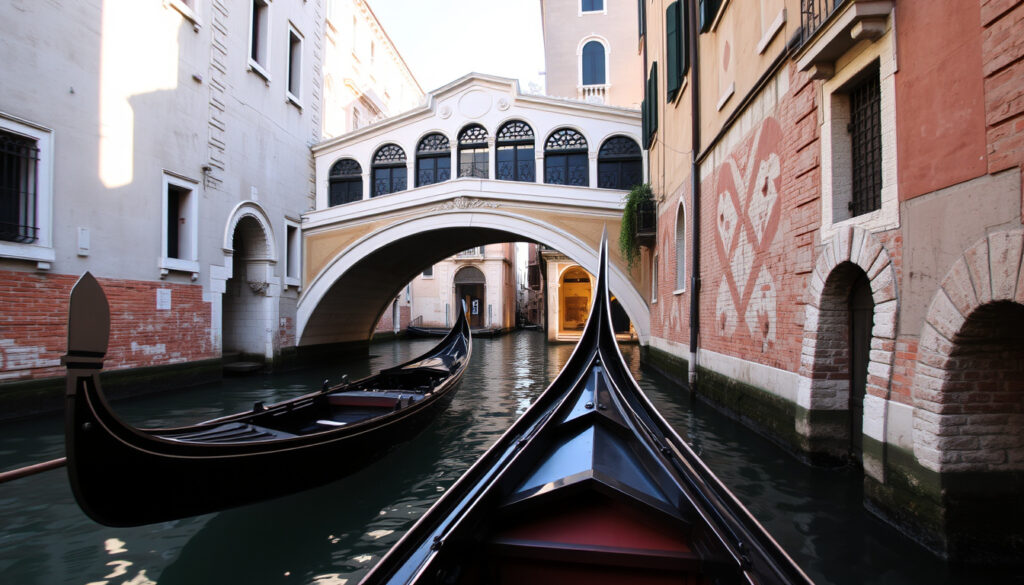
Things to Do in Venice: Top Attractions & Hidden Gems (2025 Guide)
There’s a reason Venice stays on so many travel lists — it’s a city that floats on water, and that alone is enough to make anyone curious, but between the iconic gondolas and the maze of canals, figuring out what to actually do (and how to avoid the crowds) can be overwhelming. This guide breaks down the must-see sights, the hidden local spots, and the practical costs you need to know before you go.
Most visited sight: St. Mark’s Basilica attracts over 1.4 million visitors annually ·
Number of canals: Venice has over 150 canals ·
Average gondola ride cost: €80 for 30 minutes (daytime official rate) ·
Population vs tourists: About 50,000 residents in the historic center; over 20 million tourists annually ·
UNESCO status: Venice and its Lagoon listed as a UNESCO World Heritage Site since 1987
Quick snapshot
- St. Mark’s Basilica is a major attraction (BBC News)
- Water buses operate throughout the city (Lonely Planet)
- Venice is expensive compared to other Italian cities (Lonely Planet)
- Gondola rides have official fixed rates (Lonely Planet)
- Exact number of current residents is debated
- Effectiveness of the day-tripper fee is uncertain
- Future impact of climate change on flooding is unknown
- Long-term effectiveness of flood prevention measures is unknown
- Exact annual tourist count is an estimate, not a precise figure
Five key facts about Venice, one pattern: the city is both fragile and heavily visited, which drives both its charm and its challenges.
| Label | Value |
|---|---|
| Number of bridges | Over 400 bridges connect the islands |
| Number of islands in Venice | The city is built on 118 small islands |
| Population of Venice | Approximately 50,000 residents in the historic center |
| Annual tourists | Over 20 million visitors each year |
| UNESCO designation | Venice and its Lagoon have been a UNESCO World Heritage Site since 1987 |
What not to miss in Venice?
St. Mark’s Square and Basilica
- St. Mark’s Basilica is a masterpiece of Byzantine architecture. The golden mosaics inside are a must-see (BBC News).
- The square itself is the only “piazza” in Venice — all other open spaces are “campi.”
- Visit early morning or late evening to avoid the thickest crowds.
Why this matters: St. Mark’s is the heart of Venice, but it’s also the most congested spot. Timing your visit can mean the difference between a serene experience and a shoulder-to-shoulder shuffle.
Doge’s Palace and the Bridge of Sighs
- Doge’s Palace was the seat of the Venetian government (Lonely Planet).
- The Bridge of Sighs connects the palace to the prison — the name comes from the sighs of prisoners catching their last view of Venice.
- Book tickets online to skip the line.
A gondola ride through the canals
- Official daytime rate is €80 for 30 minutes (Lonely Planet).
- Evening rides cost more (€100 from 7 pm).
- For a budget alternative, take a traghetto across the Grand Canal at about €2 (Lonely Planet).
The trade-off: gondolas are iconic but pricey. A traghetto gives you the same canal view for a fraction of the cost.
First-time visitors shouldn’t skip the big three — St. Mark’s, Doge’s Palace, and a gondola. But locals know that the best experiences often happen in the quieter sestieri (neighborhoods) like Cannaregio or Dorsoduro, where cicchetti bars and hidden courtyards await.
For travelers with limited time, focusing on the core trio of St. Mark’s, Doge’s Palace, and a gondola ride delivers the essential Venice experience, but venturing into Cannaregio or Dorsoduro reveals quieter, more authentic moments.
Is 3 days in Venice enough?
2-day itinerary highlights
- Most travelers find 2 days sufficient for a first visit (BBC News).
- Day 1: St. Mark’s Square, Basilica, Doge’s Palace, and a gondola ride.
- Day 2: Rialto Bridge, a visit to Murano or Burano, and evening cicchetti in Cannaregio.
3-day itinerary highlights
- 2 days allows seeing main sights, but 3 days permits exploring nearby islands (Forbes).
- Day 3: Torcello island, the Jewish Ghetto, and a free afternoon to wander less crowded areas like Castello.
What to do if you have limited time
- Prioritize top attractions to avoid feeling rushed (Lonely Planet).
- Use the water bus (vaporetto) for quick hops — a 24-hour pass costs €25 (Lonely Planet).
- Skip the gondola if short on time and walk instead — Venice is compact and walkable.
The pattern: 2 days is enough for a solid overview; 3 days lets you breathe and discover side streets. Most travelers find 2 days sufficient for a first visit, but the third day is where the magic of local life unfolds.
If you’re planning a 2025 trip, know that Venice will apply a day-tripper access fee on 54 days from April 18 to July 27. The fee is €5 when booked four days ahead, €10 for later bookings (BBC News). Overnight visitors are exempt (RTL Today).
Travelers with two days can cover the main sights, but adding a third day allows exploration of islands and quieter neighborhoods, making the trip feel less rushed.
Do and don’ts in Venice, Italy?
Respecting local customs
- Don’t feed pigeons in St. Mark’s Square — fines apply (BBC News).
- Do cover your shoulders and knees when entering churches (Venice Tourism official site).
- Do greet shopkeepers with “Buongiorno” or “Buonasera.”
Avoiding tourist traps
- Avoid eating at restaurants with tourist menus near main landmarks (Lonely Planet).
- Do purchase a Venezia Unica City Pass for public transport (Venezia Unica official website).
- Don’t buy souvenirs from the first shop — prices are higher near the Rialto Bridge.
Navigating the city efficiently
- Walking is one of the strongest budget-saving strategies (Lonely Planet).
- Use the vaporetto for longer distances — a single ticket costs €9.50.
- Download offline maps — Venice is a maze and phone signals can be spotty.
The implication: a little local knowledge goes a long way. Venice rewards those who slow down and follow the locals’ lead.
Following local customs—covering shoulders in churches, avoiding tourist menus, and walking instead of taking water taxis—helps visitors save money and experience the city more authentically.
Where to avoid in Venice, Italy?
Areas with high tourist congestion
- The area around the Rialto Bridge and St. Mark’s is extremely crowded (Forbes).
- During peak hours (11 am–3 pm), the main thoroughfares are packed with day-trippers.
- Alternative: explore the less-visited sestieri of Castello or Cannaregio.
Neighborhoods to skip at night
- Avoid the Santa Lucia train station area at night (Lonely Planet).
- Piazzale Roma (bus terminal) can feel sketchy after dark.
- Stick to well-lit areas and busy streets in the evening.
Safety tips for solo travelers
- Venice is generally safe, but pickpocketing is common in tourist spots (BBC News).
- Keep valuables in a front-facing bag.
- Be cautious on crowded water buses — distraction thefts happen.
The catch: Venice is safe overall, but its narrow alleys and packed piazzas create perfect conditions for pickpockets. Stay alert, and you’ll be fine.
Is Venice very expensive?
Accommodation costs
- Hostel dorm beds: €25–40; B&B double rooms: €80–180 (Lonely Planet).
- Average daily cost per person: €80–150 (Lonely Planet).
- Budget tip: stay in Mestre (mainland) and take the train in — it’s significantly cheaper.
Food and drink prices
- Cicchetti (Venetian tapas) cost about €1.50–3 each (Venice Trip).
- Ombre (small glasses of wine) about €1.50–2 (Venice Trip).
- A realistic daily budget for two can be about €120–160 all in (Venice Trip).
Budget-friendly tips
- Eating away from tourist areas can lower costs (Lonely Planet).
- Public water buses are a cheap transport option (Lonely Planet).
- Visit in shoulder season (April–May or September–October) for lower hotel rates and fewer crowds.
Venice is expensive, but it’s also a city where you can spend nothing and still have a world-class day. The best views are free — sunset from the Accademia Bridge, the buzz of the Rialto market, the labyrinthine alleyways with no souvenir shops. The real cost is time, not money.
The implication: Venice is more expensive than many Italian cities, but with smart choices — sleeping in a hostel, eating cicchetti, walking everywhere — you can keep costs under control. A realistic daily budget for two can be about €120–160 all in.
Unique things to do in Venice
Off-the-beaten-path attractions
- Visit the Scala Contarini del Bovolo for a hidden spiral staircase (Visit Venezia Official).
- Explore the Jewish Ghetto — one of the oldest in the world.
- See the Squero di San Trovaso, one of the last remaining gondola shipyards.
Local experiences
- Try a cicchetti bar crawl in Cannaregio (Venice Trip).
- Take a cooking class for fresh Venetian seafood.
- Visit the island of Torcello for the oldest cathedral in the lagoon.
Lesser-known museums
- Ca’ Rezzonico — Museo del Settecento Veneziano (18th-century Venetian art).
- Palazzo Grimani — a lesser-visited palace with stunning frescoes.
- Gallerie dell’Accademia — world-class art collection, often less crowded than the big museums.
The pattern: the most memorable experiences in Venice are often the ones you stumble upon. But a few intentional detours — like the Scala Contarini del Bovolo or the Jewish Ghetto — reward you with a quieter, more authentic side of the city.
Free things to do in Venice
Walking tours
- Exploring the city on foot is free (Lonely Planet).
- Self-guided routes: follow the signs to the Rialto, then wander aimlessly toward Cannaregio.
Public squares
- Piazza San Marco is accessible without charge (BBC News).
- Campo Santa Margherita — a lively square with benches and local life.
Churches with free entry
- Some churches offer free entry during off-peak hours (Visit Venezia Official).
- Santa Maria Gloriosa dei Frari (small fee) but often worth it.
- San Zaccaria — free to visit, with Bellini’s altarpiece inside.
The trade-off: free doesn’t mean second-rate. Some of Venice’s best sights — the skyline from the Rialto Bridge, the quiet gardens of Castello, the sunrise over the lagoon — cost nothing at all.
Things to do in Venice in one day
Morning itinerary
- Prioritize St. Mark’s and the Doge’s Palace (Lonely Planet).
- Start at 8:30 am to beat the crowds.
Afternoon itinerary
- Take a gondola ride late afternoon (Lonely Planet).
- Visit the Rialto Fish Market (morning is best, but afternoon has the bridge).
Evening options
- End with a walk to the Rialto Bridge at sunset (BBC News).
- Grab cicchetti and an ombra at a bacaro near the Grand Canal.
The implication: one day in Venice is tight, but it’s possible to hit the highlights and still feel the city’s magic. The key is ruthless prioritization and a willingness to move fast between sights.
2 days in Venice vs. 3 days in Venice
Three key differences, one pattern: an extra day shifts your trip from a checklist to an experience.
| Aspect | 2 days | 3 days |
|---|---|---|
| Main sights | St. Mark’s, Doge’s Palace, Rialto, gondola | Same plus Murano, Burano, or Torcello |
| Pace | Rushed — need to plan each hour | Relaxed — time for spontaneous wandering |
| Island trips | Not possible | Easy half-day trip to Murano |
| Cost | ~€160–300 per person | ~€240–450 per person |
| Local feel | Limited — mostly tourist areas | Better — can explore Cannaregio, Castello |
The trade-off: 2 days is enough for a first impression, but 3 days lets you see Venice as a living city, not just a museum.
Pros and cons of visiting Venice
Upsides
- Unique water-based city — no cars, no traffic noise
- World-class art and architecture everywhere
- Excellent food scene (seafood, cicchetti, tiramisu)
- Compact and walkable — you can cross the city in 45 minutes
- Romantic and atmospheric, especially at night
Downsides
- Expensive — accommodation, food, and attractions add up
- Extremely crowded during peak season and cruise ship days
- Acqua alta (flooding) can disrupt travel, especially in winter
- Getting lost is easy — signage is inconsistent
- Limited nightlife compared to other Italian cities
The pattern: Venice offers a once-in-a-lifetime experience, but it demands patience and a good budget. The trade-off is between crowds and charm — visit in shoulder season for the best balance.
How to plan your Venice trip in 5 steps
- Choose your dates wisely. Avoid July and August if possible. April–May and September–October offer mild weather and fewer crowds. Check the 2025 access fee calendar to avoid surcharges on entry days (Forbes).
- Book accommodation early. Hotels in the historic center fill up fast. Consider staying in Cannaregio or Dorsoduro for a quieter neighborhood. Budget: hostel dorm €25–40, B&B double €80–180 (Lonely Planet).
- Plan your transport. From the airport, take the Alilaguna water bus (€15) or the ACTV bus to Piazzale Roma. For local travel, a 24-hour vaporetto pass costs €25 (Lonely Planet).
- Decide on your must-sees. Lock in tickets for St. Mark’s Basilica and Doge’s Palace online. If you want a gondola, book it — or opt for a traghetto (€2) for a quick canal cross (Lonely Planet).
- Prepare for the unexpected. Download offline maps, bring a water-resistant bag for acqua alta, and carry a power bank — Venice’s narrow streets can drain your phone battery fast.
The implication: a little planning turns a potentially stressful trip into a smooth and memorable one. The steps above are practical, but the real secret is to leave room for spontaneity.
Timeline: Venice through the centuries
- 5th century — Venice was founded (BBC News)
- 15th–18th century — Peak of Venetian Republic’s power
- 1987 — Venice and Lagoon declared UNESCO World Heritage Site
- 2019 — Venice experienced severe flooding (acqua alta) (Forbes)
- 2024 — Venice introduces day-tripper entry fee (BBC News)
The pattern: Venice has survived centuries of change, but the 21st-century challenge of mass tourism is forcing new rules. The 2025 access fee is the latest attempt to balance visitor numbers with the city’s fragile ecosystem.
What’s clear and what’s unclear about Venice
Confirmed facts
- St. Mark’s Basilica is a major attraction (BBC News)
- Water buses operate throughout the city (Lonely Planet)
- Venice is expensive compared to other Italian cities (Lonely Planet)
- Gondola rides have official fixed rates (Lonely Planet)
- Day-tripper access fee applies on 54 days in 2025 (BBC News)
What’s unclear
- Exact number of current residents is debated
- Effectiveness of the day-tripper fee is uncertain — early data suggests mixed results
- Future impact of climate change on flooding is unknown (Forbes)
- Long-term effectiveness of flood prevention measures is unknown
- Exact annual tourist count is an estimate, not a precise figure
The implication: Venice is a city of paradoxes — well-documented yet uncertain, beloved yet strained. The facts are clear, but the future remains open.
What locals and experts say
“The best time to visit St. Mark’s is right when it opens at 9:30 am. You’ll have the mosaics almost to yourself for about 20 minutes before the crowds arrive.”
— Local tour guide, quoted in Visit Venezia Official
“Venice isn’t just for tourists. We live here, we go to the market, we have our favorite bacari. If you want to see the real Venice, walk away from the Rialto and into Cannaregio.”
— Venice resident, as told to Lonely Planet
“Two days is enough for a first visit, but three days lets you breathe. On the third day you can take a boat to Burano and see the colorful houses — that’s when Venice really clicks.”
— Travel blogger with multiple Venice visits, shared on Venice Trip
“The Doge’s Palace is not just a museum — it’s the story of a republic that lasted a thousand years. The paintings in the Sala del Maggior Consiglio are a visual history of Venetian power.”
— Museum curator, referenced in Visit Venezia Official
The common thread: whether you’re a first-time visitor or a returning traveler, the best advice is to slow down, walk off the main paths, and let Venice reveal itself on its own terms.
Summary: What to take away from this guide
Venice is a city of contrasts — iconic yet intimate, expensive yet accessible, crowded yet full of quiet corners. For the budget-conscious traveler planning a 2025 trip, the choice is clear: aim for shoulder season, book your access fee early, eat cicchetti where locals gather, and give yourself at least two days to see the highlights, three if you can. The magic of Venice isn’t in the must-see list alone — it’s in the moment you get lost in a narrow alley and discover a courtyard that feels like your own secret.
Related reading: **Venice on a Budget** · **Venice Budget Travel Tips**
Frequently asked questions
What is the best time to visit Venice?
April–May and September–October offer mild weather and fewer crowds. Summer is hot and packed. Winter can be foggy and cold, but also cheaper and less crowded.
How do I get around Venice without a car?
Venice is car-free. Walk, take the vaporetto (water bus), or use water taxis. A 24-hour vaporetto pass costs €25 and is the best value for visitors.
Do I need to book gondola rides in advance?
You can book in advance, but it’s not required. Official rates are €80 for 30 minutes daytime, €100 after 7 pm. Negotiate before boarding and confirm the price.
Are there any free walking tours in Venice?
Yes, several companies offer free walking tours (tip-based). Check online for schedules. The city itself is a free walking tour if you have a good map.
Can I use credit cards in Venice?
Most restaurants, hotels, and shops accept credit cards. Keep some cash for small purchases at markets and cicchetti bars.
What is acqua alta and when does it happen?
Acqua alta is the seasonal flooding that occurs in Venice, typically from October to January. It can reach ankle to knee deep. Check the tide forecast and wear waterproof boots.
Is Venice safe for solo travelers?
Venice is generally safe, but pickpocketing is common in crowded areas. Stay alert, keep valuables secure, and avoid poorly lit streets at night.
What are the opening hours of major attractions?
St. Mark’s Basilica: 9:30 am–5 pm (Mon–Sat), 2–5 pm (Sun). Doge’s Palace: 8:30 am–7 pm daily. Hours change seasonally, so check official websites.
More related posts
 Cast Iron Plant – En Robust Växt För Ditt Hem
 League of Ireland Premier Division Table – Final Standings
 Be t Ca tle in Ireland for Hi tory, Familie & Stay
 How Long Does a Colonoscopy Take? Procedure Time, Recovery & More
 Diary of a Wimpy Kid Costume: DIY Guide & Printable Masks
 Who Won the 2025 Ballon d’Or – Full Winners, Rankings and Highlights
 Dublin Airport to Belfast: Bus, Train & Driving Guide
 iPhone 7 Plus to Buy: Prices, Trade-In & Future in 2025
