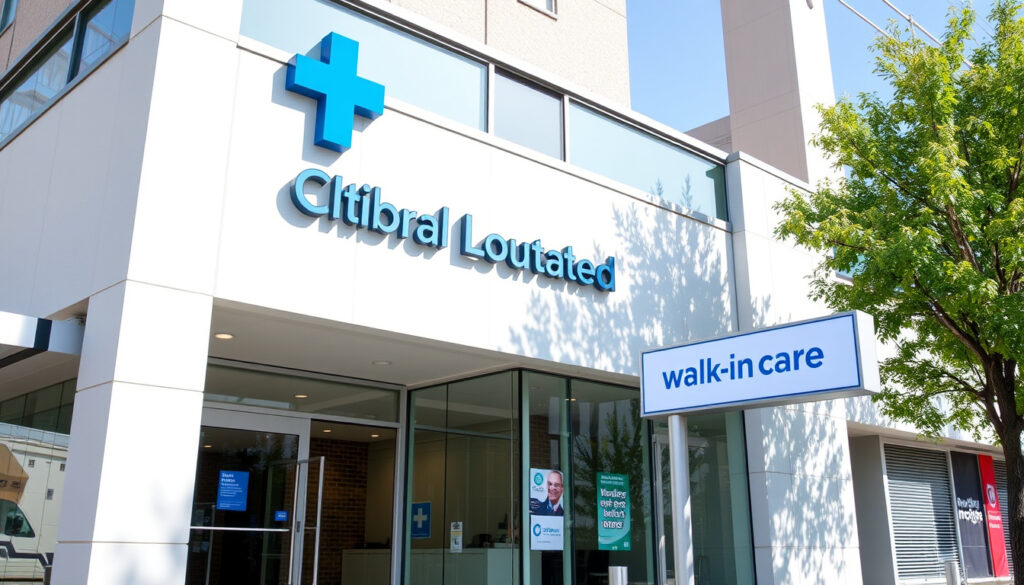
Mater Smithfield Rapid Injury Clinic: Walk-in Care
Anyone who has twisted an ankle or taken a bad fall knows the dilemma: wait hours in an emergency department or try to figure out what counts as “minor enough” for a walk-in clinic. The Mater Smithfield Rapid Injury Clinic in Dublin 7 was designed to answer that exact question for the city’s northside — offering assessment and treatment for common injuries without an appointment, and with a schedule that surprises many first-time visitors.
Patients treated annually: Over 30,000 (estimated) ·
Hours: Monday–Thursday 8:00 AM – 5:30 PM ·
Referral needed: No ·
Services: Minor injury assessment and treatment
Quick snapshot
- No appointment or GP referral needed (HSE service listing)
- Treats broken bones, sprains, strains, cuts, burns, bites (HSE.ie injury unit guide)
- Exact average wait time not officially published; patient reports suggest less than 1 hour
- Fee details for non-medical card holders vary — check before visiting
- Clinic open Monday to Thursday only — closed on bank holidays including St Brigid’s Day, St Patrick’s Day, Easter Monday, and May, June, August, October bank holidays (HSE.ie closure list)
- If injury worsens or doesn’t improve, escalate to GP or emergency department
- Check HSE website for holiday closures before travelling
The snapshot shows that the clinic fills a specific gap in Dublin’s urgent care, balancing accessibility with limited hours to keep wait times low.
Can I go straight to minor injuries?
How the walk-in process works
- Walk in during opening hours — no appointment or GP referral needed (HSE.ie clinic page).
- You must be aged 16 or older (HSE.ie eligibility note).
- Bring photo ID and your medical card if you have one.
- You’ll be triaged by a nurse or clinician. Treatment is provided on site for eligible injuries.
Steps in practice: arrive, register at reception, wait to be seen (typically under 1 hour, though not officially published), receive assessment and treatment.
When to visit the clinic instead of A&E
The clinic is designed for injuries that are not life-threatening: broken bones (fingers, toes, collarbone), sprains, strains, cuts, burns, bites, and minor head injuries with no loss of consciousness (HSE injury unit criteria). If you have chest pain, severe bleeding, difficulty breathing, or a suspected stroke, go directly to an emergency department or call 112/999.
What this means: the clinic targets a narrow window of injuries, making it a practical choice for common mishaps but not a substitute for emergency care.
What qualifies as a minor injury?
Common examples of minor injuries
- Cuts and scrapes — superficial wounds that can be cleaned and dressed
- Burns — first- and second-degree burns that are small in area
- Sprains and strains — ligament or muscle injuries from sudden twists or overuse
- Minor fractures — broken fingers, toes, collarbone, or other small bones
- Bites — animal or human bites that are not deep and show no signs of infection (UPMC minor injuries list)
Injuries not treated at the clinic
The HSE states the clinic does not treat life-threatening conditions, major trauma, or injuries requiring specialist surgical intervention (HSE.ie service scope). If you have a dislocated joint, a fracture that needs manipulation, or a wound with severe bleeding, you’ll be referred to an emergency department.
The clinic’s narrow scope is its strength: by limiting to minor injuries, it keeps wait times low and frees up A&E resources for serious cases. But patients with borderline injuries may be redirected, so understanding the definition upfront saves a wasted trip.
The implication: knowing exactly what constitutes a minor injury is the key to using this service effectively.
What is an injury unit?
How injury units differ from urgent treatment centres
In Ireland, an injury unit (also called a minor injury unit) handles non-life-threatening injuries only. An urgent treatment centre (UTC) can treat both minor injuries and minor illnesses like infections, rashes, and earaches (HSE urgent care guide). Mater Smithfield is specifically an injury clinic, not a UTC — it does not treat illnesses.
Three service types, one key difference:
| Service | Treats minor injuries | Treats minor illnesses | Requires appointment |
|---|---|---|---|
| Mater Smithfield Rapid Injury Clinic | Yes | No | No |
| Urgent Treatment Centre (UTC) | Yes | Yes | No (but varies) |
| Emergency Department (ED) | Yes (including major) | Yes | No (triage-based) |
The pattern: the clinic fills the gap between a GP and an ED, but only for injuries, not illnesses.
Services provided at an injury unit
- Assessment and treatment of fractures (X-ray available)
- Wound cleaning and stitching
- Burn first aid and dressing
- Strain and sprain management (splints, supports)
- Referral to specialist if needed (Mater Hospital rapid injury clinic page)
Why this matters: knowing the difference can save hours. A patient with a sprained ankle will see a nurse in under an hour at the clinic; the same patient in an ED might wait three times as long behind more urgent cases.
What are the 5 minor injuries?
UPMC groups common minor injuries into five categories that match the clinic’s scope (UPMC minor injury classification):
Cuts and scrapes
Superficial wounds that can be cleaned, disinfected, and dressed. Deep cuts that expose fat or muscle need an ED.
Burns and bites
Small burns (first-degree or small second-degree) and minor animal or human bites that don’t penetrate deep tissue are treatable. Infections after a bite still require medical follow-up.
Sprains and strains
Ligament sprains (e.g., ankle, wrist) and muscle strains from overuse or sudden movement. Treatment: rest, ice, compression, elevation, and possibly a support bandage.
Minor fractures
Broken fingers, toes, collarbone, or small bones of the hand and foot. The clinic can X-ray and immobilise the injury, then refer for orthopaedic review if needed.
Other common minor injuries
Includes bruises (contusions), minor head injuries without loss of consciousness, and foreign objects in the eye (with flushing).
The pattern: each of these injuries can be managed on site without needing hospital admission. For a patient with a sprained ankle, the clinic offers faster care than A&E and avoids unnecessary use of emergency resources.
What are the opening hours and parking options at Mater Smithfield Rapid Injury Clinic?
Clinic location and accessibility
- Address: The Forge, Smithfield Market, Smithfield, Dublin 7, D07 VKP9 (HSE.ie location data)
- Opening hours: Monday to Thursday 8:00 AM – 5:30 PM. Closed Friday, Saturday, Sunday and bank holidays (HSE.ie opening times)
- Wheelchair accessible: yes (ground-level entrance)
- Nearest Luas stop: Smithfield (Red Line)
Parking availability and public transport
Parking in Smithfield is limited. There is on-street metered parking around the market square and a few nearby car parks (e.g., Park Rite on Hendrick Street). The Luas Red Line stops at Smithfield, a 2-minute walk from the clinic. Dublin Bus routes 37, 39, 70, and 122 serve the area.
The clinic’s limited hours (Monday–Thursday only) are its biggest constraint. A Friday afternoon injury means a trip to A&E or a private clinic. Plan ahead for weekend sports or activities.
The catch: while the clinic is well-connected by public transport, its restricted schedule demands careful timing.
What the experts say
“The assessment and treatment of minor injuries is the core function of this clinic — people with sprains, cuts, and simple fractures can be seen quickly without tying up emergency department resources.”
— Mater Hospital website description (Mater.ie rapid injury clinic)
“Injury units can treat broken bones, sprains and strains from collarbone to fingertips and from knees to toes — but they do not treat illnesses or life-threatening conditions.”
— HSE service listing for injury units (HSE.ie injury unit scope)
For Dublin residents who know what counts as a minor injury, the clinic is a valuable public health resource. The trade-off is clear: you gain speed and convenience, but only Monday through Thursday, and only for non-serious conditions. For a sprained ankle on a Tuesday morning, it’s the best care option in the city centre. For a bad cut on a Friday evening, you’ll need the emergency department.
emergeortho.com, novanthealth.org, materem.org, layahealthcare.ie
Frequently asked questions
Do I need to bring anything to the clinic?
Bring photo ID, your medical card (if you have one), and a list of any medications you’re taking. If you have had X-rays elsewhere, bring those too.
Can I go to the clinic for a child’s injury?
The clinic only treats patients aged 16 and older. For children under 16, go to a GP or the emergency department at Children’s Health Ireland.
How long does a typical visit take?
The HSE does not publish average wait times, but patient reports suggest most visits are completed in under one hour. Simpler injuries (cuts, sprains) are quicker; X-rays may extend the visit.
Is the clinic wheelchair accessible?
Yes, the clinic has a ground-level entrance and accessible treatment rooms.
What if my injury gets worse after treatment?
Return to the clinic during opening hours or go to your GP. If you develop chest pain, difficulty breathing, or severe bleeding, call 112/999 or go to an emergency department immediately.
Can I get a sick note from the clinic?
The clinic can provide a medical certificate for the injury treated. Ask the clinician before you leave.
The FAQ distills the practicalities into quick answers — a useful reference before a visit.
More related posts
 Old Town Wine Bar Dublin: Tapas Menu, Reviews and Prices
 How Did George Michael Die? Cause, Estate & Life
 Best Language Exchange Apps 2025: HelloTalk vs Tandem & More
 Phoenix Group Share Price: Buy, Sell, or Hold? 2025
 Crystal Palace vs Sunderland: Results, H2H & Live Coverage
 Hotels Near Croke Park: Where to Stay in Dublin (2025 Guide)
 Lincoln Lawyer Season 4 Cast: Full List of Returning and New
 Is Rapeseed Oil Bad for You? Cold-Pressed vs Refined
