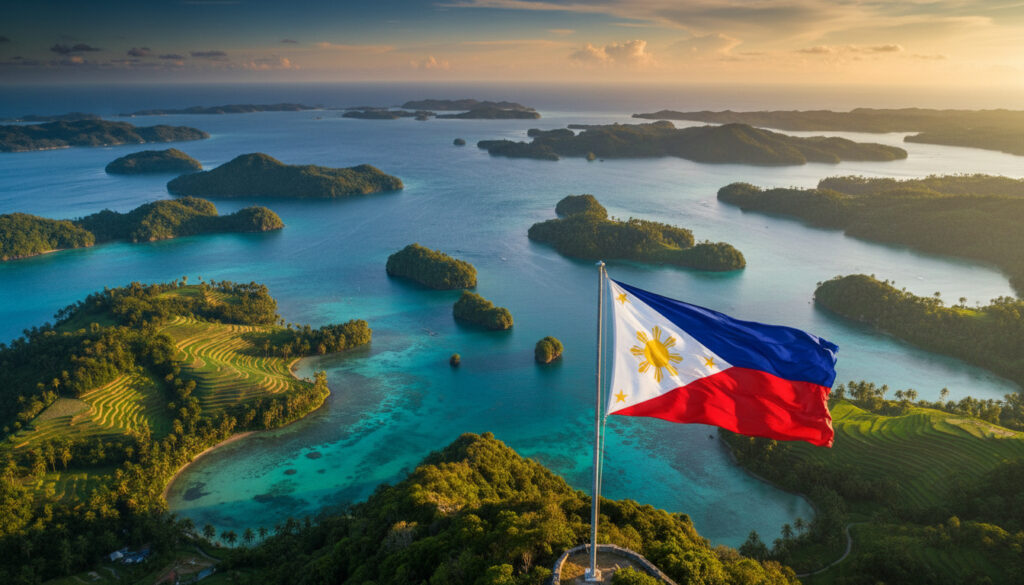
Department of Foreign Affairs – Complete Philippines Overview
The Department of Foreign Affairs (DFA) serves as the principal executive agency of the Philippine government responsible for formulating and implementing the nation’s foreign policy. Established in the wake of Philippine independence through Executive Order No. 18 issued by President Manuel Roxas on September 16, the department manages diplomatic relations with other countries and provides critical consular services to Filipino citizens both domestically and abroad.
Beyond high-level international negotiations, the DFA operates as the operational arm of Philippine foreign policy, engaging in treaty development, economic diplomacy, and the protection of millions of Overseas Filipino Workers (OFWs). The agency maintains a global network of embassies and consulates that embody the country’s commitment to active global citizenship.
The DFA’s mandate encompasses diplomatic and foreign policy functions, consular and passport services, assistance to nationals, and public diplomacy. These functions position the department as a crucial instrument in safeguarding national security, promoting economic development, and projecting Philippine interests worldwide.
What is the Department of Foreign Affairs?
September 16 (post-independence) via Executive Order No. 18
Manuel Roxas
Manila, Philippines
Foreign policy formulation and consular services
- Principal executive agency responsible for Philippine foreign policy and international relations
- Manages bilateral relationships and multilateral participation in bodies such as ASEAN and the United Nations
- Processes passport applications and provides document authentication (Apostille) services for use abroad
- Protects the rights and welfare of Overseas Filipino Workers through legal aid and emergency response
- Maintains a global network of embassies, consulates, and diplomatic missions
- Conducts economic diplomacy to promote Philippine trade, investment, and tourism
- Engages in conflict resolution through peaceful diplomatic channels, including arbitration proceedings
| Aspect | Details |
|---|---|
| Legal Basis | Executive Order No. 18 |
| Establishment Date | September 16 (following Philippine independence) |
| Founding Authority | President Manuel Roxas |
| Initial Mandate | Postwar rehabilitation, investment promotion, diplomatic relations re-establishment |
| Primary Functions | Foreign policy implementation, diplomatic relations, consular services |
| Key Consular Services | Passport issuance, Apostille authentication, visa policy setting |
| Organizational Structure | Policy/Geographic Offices and Line Offices |
| Global Presence | Embassies, consulates, and missions worldwide |
What are the Main Functions of the DFA?
Diplomatic and Foreign Policy Functions
The DFA serves as the primary instrument for managing the Philippines’ relationships with individual countries and international organizations. The department leads negotiations on international agreements covering trade, security, and environmental protection. Through economic diplomacy, officials promote Philippine exports, assist businesses in exploring foreign markets, and attract foreign investment to support national development.
In multilateral forums, the DFA advocates for maritime rights and sustainable development through ASEAN and the United Nations. The department also utilizes diplomatic channels to resolve disputes peacefully, notably through mechanisms such as the South China Sea arbitration.
Consular Services and Passport Operations
Among the DFA’s most visible functions are its consular services. The department processes applications for new passports and renewals for all Filipino citizens, managing appointments through consular offices nationwide. The Authentication Services (Apostille) unit certifies the authenticity of signatures and seals on public documents such as birth certificates, marriage certificates, and educational records for use abroad.
The DFA authenticates public documents by certifying the authenticity of the signature or seal appearing on the document. This Apostille service is essential for documents intended for use in foreign jurisdictions that are parties to the Hague Convention.
Assistance to Nationals
A fundamental mandate involves protecting Filipinos overseas. The DFA provides legal and consular aid to nationals facing legal troubles, victims of crime, or emergency situations abroad. This assistance ranges from legal advice to full repatriation when necessary. The department coordinates with host governments and Philippine agencies to address labor disputes, human trafficking cases, and other welfare concerns affecting Overseas Filipino Workers.
How to Contact DFA Philippines?
Communication Channels
The DFA maintains various channels for public inquiries regarding consular services, diplomatic matters, and assistance requests. However, specific contact numbers and detailed communication protocols vary by office location and service type. Applicants for passport services typically secure appointments through the official online portal before visiting physical locations.
Operating Schedules
Operating hours differ across DFA facilities, with consular offices maintaining schedules distinct from the main administrative headquarters in Manila. Service availability depends on appointment systems for passport processing and document authentication. Emergency assistance for nationals abroad operates through dedicated hotlines managed by specific offices within the department’s organizational structure.
DFA Office Locations and Services
Main Office and Organizational Hubs
The DFA headquarters in Manila houses the central administrative functions, including the Office of the Secretary and the primary policy coordination units. The department operates through specialized offices divided into policy and geographic bureaus, including the Office of American Affairs, Office of Asian and Pacific Affairs, Office of European Affairs, and the Office of Middle East and African Affairs.
Regional Consular Facilities
Beyond the capital, the DFA maintains consular offices nationwide to process passport applications and authentication requests. These facilities operate under the Office of Consular Affairs, managing the high volume of documentation required by citizens preparing for overseas employment or travel.
Passport services and document authentication typically require prior appointments secured through the official DFA appointment system. Walk-in services are generally limited to emergency cases or specific categories of applicants as determined by current administrative policies.
Overseas Embassies and Consulates
The DFA maintains a global network of diplomatic missions responsible for bilateral relations, consular services to Filipinos abroad, and visa processing for foreign nationals seeking entry to the Philippines. These missions work under the supervision of geographic offices at the home office in Manila.
Overseas Filipino Workers frequently require document authentication for employment contracts and educational credentials. The DFA coordinates with the Office of Migrant Workers Affairs to streamline these requirements for millions of workers deployed globally.
How Has the DFA Evolved Since Its Establishment?
- : President Manuel Roxas issues Executive Order No. 18, establishing the Department of Foreign Affairs and organizing the Foreign Service in the wake of Philippine independence.
- Post-War Reconstruction Period: The department focuses on postwar rehabilitation, formulating policies for investment promotion, and assisting in the rebuilding of national infrastructure.
- Early Diplomatic Expansion: Immediate efforts concentrate on re-establishing diplomatic relations with neighboring countries and securing international recognition of the newly independent republic.
- Modern Organizational Development: The DFA expands to include specialized offices for multilateral affairs, international economic relations, and migrant workers’ welfare, reflecting the Philippines’ deepening global engagement.
Information Reliability and Gaps
Established Facts
- Established on September 16 via Executive Order No. 18 under President Manuel Roxas
- Structured with Undersecretaries for Bilateral Relations and ASEAN Affairs and Multilateral Affairs and International Economic Relations
- Mandate includes four core pillars: diplomatic functions, consular services, assistance to nationals, and public diplomacy
- Operates through specific policy offices including ASEAN Affairs, United Nations and International Organizations, and Maritime and Ocean Affairs
- Strategic objectives include enhancing national security, protecting territorial integrity, and promoting welfare of Filipinos overseas
Information Requiring Verification
- Current Secretary of Foreign Affairs
- Specific office hours and contact numbers for individual facilities
- Detailed street addresses and locations of regional consular offices
- Current processing timelines for passport applications and document authentication
- Exact number of embassies and consulates currently operational worldwide
Why Does the DFA Play a Critical Role in Philippine Governance?
The Department of Foreign Affairs functions as the primary interface between the Philippines and the international community, navigating complex alliances while asserting independence in regional disputes. Through its coalition building efforts in ASEAN and the United Nations, the department advocates for maritime rights and sustainable development goals that directly impact national security and economic prosperity.
For millions of Filipino families, the DFA represents a lifeline through its protection of Overseas Filipino Workers. The department’s assistance programs address legal emergencies, labor disputes, and repatriation needs, safeguarding the welfare of citizens who contribute significantly to the national economy through remittances. While navigating financial matters such as Mortgage Interest Rates Ireland – Current Rates and 2026 Forecasts may concern specific segments of the diaspora, the DFA focuses on the documentation and legal frameworks enabling such international mobility.
Public diplomacy initiatives conducted via social media and cultural events further extend the department’s reach, countering stereotypes and promoting Philippine heritage for mutual understanding with other nations. This cultural diplomacy complements economic objectives by enhancing the country’s soft power and international standing.
What Do Official Documents Say About the DFA?
“The Department of Foreign Affairs was established in the wake of Philippine independence, with Executive Order No. 18 issued by President Manuel Roxas on September 16 providing for the organization and operation of the department and the Foreign Service.”
— Historical Documentation, Department of Foreign Affairs Establishment Records
“The main tasks during its establishment were to assist in postwar rehabilitation, formulate policies for investment promotion, and re-establish diplomatic relations with neighboring countries.”
— Official Historical Archives
“Contributing to the enhancement of national security and protection of territorial integrity and national sovereignty; participating in national development and enhancing the Philippines’ competitive edge globally; protecting the rights and promoting the welfare of Filipinos overseas.”
What Should Citizens Know About the DFA?
The Department of Foreign Affairs remains the central authority for Philippine international engagement, combining diplomatic strategy with essential citizen services. From passport issuance to emergency repatriation, the department’s functions touch the lives of millions of Filipinos working and living abroad. While planning for overseas employment or travel, citizens should consult official DFA channels for current requirements, much as they might research Gas and Electricity Ireland – Cheapest Providers and Prices 2025 when considering relocation logistics. The department’s continued evolution reflects the Philippines’ expanding role in global affairs and its commitment to protecting citizens worldwide.
Frequently Asked Questions
How do I renew my passport at the DFA?
Passport renewal requires scheduling an appointment through the official DFA appointment portal. Applicants must bring their expired or expiring passport, valid identification, and supporting documents to their designated consular office on the scheduled date.
What documents does the DFA require for visa services?
While the DFA sets visa policies, foreign nationals apply through Philippine embassies and consulates abroad. Requirements typically include valid passports, application forms, photographs, and supporting documents proving purpose of travel and financial capacity.
What is the DFA emergency contact for nationals in distress abroad?
The DFA provides emergency assistance through the Office of Consular Affairs and Assistance to Nationals units. Specific hotline numbers vary by region and are available through the nearest Philippine embassy or consulate during business hours and through emergency contact systems after hours.
Is the DFA open on weekends?
Operating hours vary by specific office location and service type. Most consular offices operate during standard weekday business hours, though some facilities may offer limited Saturday services for passport processing. Appointment systems typically dictate availability regardless of standard hours.
What is the Apostille service offered by the DFA?
The DFA provides Apostille authentication, which certifies the authenticity of signatures and seals on public documents such as birth certificates, marriage certificates, and educational records. This certification allows documents to be recognized in foreign countries that are signatories to the Hague Apostille Convention.
How does the DFA assist Overseas Filipino Workers?
The DFA assists OFWs through passport issuance, document authentication, legal aid for those facing troubles abroad, welfare assistance for labor disputes and human trafficking cases, and emergency repatriation during crises or political unrest in host countries.
More related posts
 West Ham vs Tottenham Standings: H2H, Results & Table
 How to Multiply Fractions: Step-by-Step Guide with Examples
 Is Rapeseed Oil Bad for You? Cold-Pressed vs Refined
 What Does Sigma Mean? Slang, Math, & Greek Letter
 Foods to Lower Cholesterol: Science-Backed Guide
 Turkey Travel Warning Paragliding: 2025 Safety Guide
 Pinched Nerve in Neck: Symptoms, Causes, and Home Release
 How Much is Domiciliary Care Allowance in 2026? Rate & More
