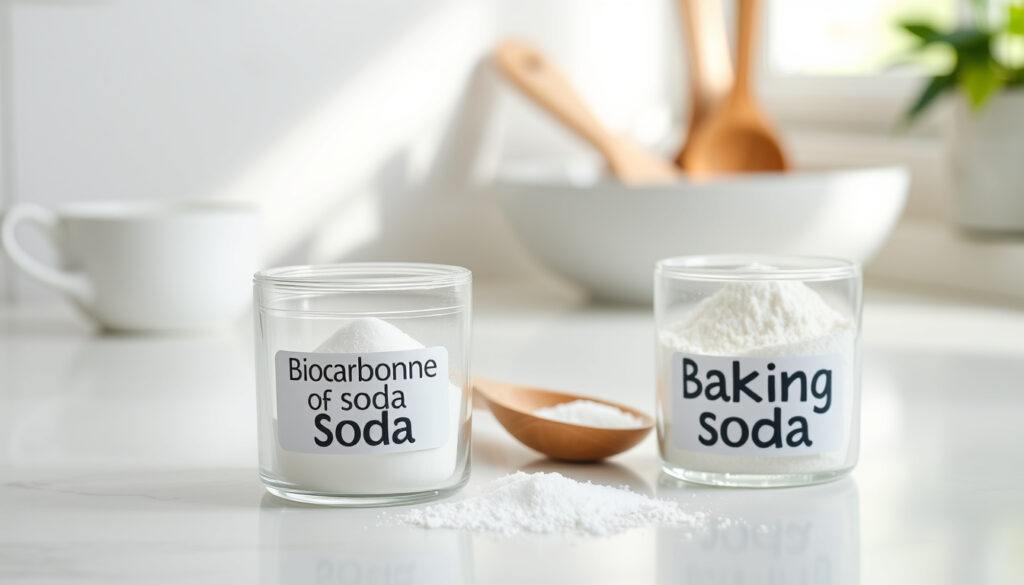
Is Bicarbonate of Soda the Same as Baking Soda? Yes, Here’s Why
Anyone who’s opened a recipe book only to find two different names for the same white powder knows the confusion. Bicarbonate of soda and baking soda are chemically identical—pure sodium bicarbonate (NaHCO₃)—yet the label on your shelf depends entirely on where you bought it. This guide unpacks the naming puzzle, explains why you can swap them in any recipe, and separates safe uses from popular myths that lack clinical backing.
Chemical name: Sodium bicarbonate ·
Common names: Baking soda, bicarbonate of soda, bread soda ·
US term: Baking soda ·
UK/Australia term: Bicarbonate of soda ·
Primary use: Leavening agent in baking
Quick snapshot
- Both are pure sodium bicarbonate (Arm & Hammer)
- 1:1 substitution possible in baking (Arm & Hammer)
- Not interchangeable with baking powder (Earth Conscious)
- Safety of regular use for acid reflux without medical supervision
- Enamel damage vs whitening benefit for teeth
- Optimal frequency for drinking sodium bicarbonate solution
- Sold historically as saleratus, soda powder, or bicarbonate of soda (YouTube historical)
- “Baking soda” became standard in 20th-century America (YouTube historical)
- UK/ Australia retained “bicarbonate of soda” (Earth Conscious)
- Growing consumer interest in sodium bicarbonate for oral health and cleaning
- Need for clearer regulatory guidance on antacid dosing
- More research expected on enamel effects
Six key facts that anchor the entire discussion:
| Chemical formula | NaHCO₃ |
| US name | Baking soda |
| UK/Australia name | Bicarbonate of soda |
| Ireland name | Bread soda |
| Edible | Yes, in small amounts in cooking |
| Sodium content per ½ tsp | 616 mg |
Is bicarbonate of soda the same as baking soda?
What is the chemical composition of both?
The white powder in both boxes is sodium bicarbonate (NaHCO₃)—a single chemical compound with no additives. Arm & Hammer, the leading US brand, explicitly labels its product “baking soda (sodium bicarbonate)”. Earth Conscious, a UK natural-products retailer, confirms the same identity for “bicarbonate of soda.” There is no difference in particle size, purity standards, or reactivity between the two labels.
Why do names differ by country?
- United States: “Baking soda” has been the dominant term since the early 20th century, popularised by Arm & Hammer’s branding.
- United Kingdom, Australia, New Zealand: The older name “bicarbonate of soda” remains standard, though “baking soda” is understood.
- Ireland: Often called “bread soda” because of its essential role in traditional Irish soda bread (Irish Soda Bread Recipe).
Earth Conscious (UK retailer) notes that “bicarbonate of soda” is the more common term in British English, while “baking soda” is the American convention.
The implication: geography, not chemistry, determines what you call the box.
Can I use bicarbonate of soda instead of baking soda in recipes?
Substitution ratio
Yes, you can swap them one-for-one because they are chemically identical. When a recipe demands bicarbonate of soda (or baking soda), it depends on an acidic ingredient—buttermilk, yogurt, lemon juice, vinegar—to trigger the leavening reaction that produces carbon dioxide. Without acid, the powder will leave a metallic, soapy taste.
What if the recipe calls for baking powder?
Baking powder contains baking soda plus an acid (usually cream of tartar) and a starch. Arm & Hammer stresses that baking soda and baking powder are not interchangeable one-for-one. A common substitution: 1 teaspoon baking soda ≈ 3 teaspoons baking powder, but you must adjust the liquid and acid in the recipe accordingly.
Using baking soda where baking powder is required can over-leaven or leave a chemical aftertaste. The trade-off is control: baking soda lets you decide the acid source, while baking powder is a self-contained system.
Three differences, one takeaway:
| Ingredient | Contains | Needs acid to activate? | Best for |
|---|---|---|---|
| Baking soda / bicarb | 100% sodium bicarbonate | Yes | Recipes with natural acid |
| Baking powder | Sodium bicarbonate + acid + starch | No (activated by heat) | Recipes without acidic components |
| Self-raising flour | Flour + baking powder | No | Quick breads, scones |
The pattern: reach for baking soda when your batter already contains an acid; use baking powder for neutral batters.
Is bicarbonate of soda safe for acid reflux?
How does sodium bicarbonate neutralise stomach acid?
When dissolved in water, sodium bicarbonate acts as a fast-acting antacid by neutralising hydrochloric acid in the stomach. Earth Conscious notes its use in deodorising and cleaning, but its antacid effect is well-known in home remedies. However, the relief is temporary and does not address underlying reflux causes.
Risks: high blood pressure, sodium load
A half-teaspoon of baking soda contains 616 mg of sodium—more than a quarter of the daily recommended limit for most adults. Arm & Hammer’s guidance focuses on baking, not therapeutic use. Regular consumption can raise blood pressure, especially for those with hypertension or kidney issues.
How often can you drink it?
Medical sources generally advise against regular use without supervision. The historical context shared by food historians reminds that sodium bicarbonate was once marketed as a household cure-all—a role that modern clinicians warn against. If you have high blood pressure or are on a low-sodium diet, drinking baking soda can be risky. Occasional use (once a week at most) is considered safe for otherwise healthy adults, but no formal dosing guidelines from tier-1 health authorities exist for this purpose.
For anyone with hypertension, the sodium load of a single baking soda dose can equal that of a fast-food meal. The temporary relief may not be worth the cardiovascular strain.
The catch: occasional relief is possible, but the lack of official dosing guidelines makes regular use a gamble for your health.
What are common uses for bicarbonate of soda outside baking?
Cleaning applications
- Mild abrasive: Scrubs sinks, countertops, and ovens without scratching.
- Deodoriser: Absorbs and neutralises odours in refrigerators, carpets, and shoes (Earth Conscious).
- Stain remover: Mixed with water or vinegar, it lifts many food and grease stains.
Skin and teeth uses
Baking soda is a common DIY teeth whitener and facial exfoliant. Arm & Hammer does not market its product for oral or skin care, and the American Dental Association has not approved baking soda for safe long-term use on enamel. Overuse can erode the protective layer, increasing tooth sensitivity.
Gray hair effects
Some people use a baking soda paste to lighten gray hair or remove product buildup. While it can reduce brassiness temporarily, it may also strip natural oils, leading to dryness. No clinical studies support its safety for regular hair use.
Bicarbonate of soda is a powerful multi-purpose tool, but its abrasive nature means that skin and teeth applications carry a real risk of damage. The same chemistry that lifts stains can also wear down enamel and disrupt the skin’s pH barrier.
The implication: versatility comes with a cost—use it sparingly outside the kitchen.
What’s confirmed — and what’s still unclear
Confirmed facts
- Bicarbonate of soda and baking soda are chemically identical
- Direct 1:1 substitution in baking works
- Not interchangeable with baking powder without recipe adjustments
- Sodium bicarbonate temporarily neutralises stomach acid
- High sodium content can affect blood pressure
What’s unclear
- Safety of regular use for acid reflux without medical oversight
- Effectiveness of teeth whitening vs enamel damage
- Optimal frequency for drinking sodium bicarbonate solution
- Long-term effects on hair health
“Baking soda is pure sodium bicarbonate, a leavening agent that requires an acid to activate.” — Arm & Hammer (US manufacturer)
“The naming difference is regional rather than chemical. In the UK and Australia, ‘bicarbonate of soda’ is the more common term.” — Earth Conscious (UK retailer)
For anyone standing in the baking aisle comparing boxes, the consequence is simple: the name on the front tells you where the product was sold, not what’s inside. Both are sodium bicarbonate. For UK and Australian home cooks, “bicarbonate of soda” is the familiar label; for Americans, “baking soda” rules. The choice between them is not a choice at all—it’s geography. The unresolved question is whether the same powder that lifts a sponge cake should be a regular part of your medicine cabinet or skincare routine. Until regulators issue clearer dosing and safety guidelines, the answer remains: use it sparingly, and listen to your body.
Related reading: **Irish Soda Bread Recipe**
Many readers wonder whether these two white powders differ, and as explained in this bicarbonate of soda and baking soda identity, they are chemically identical despite the regional naming conventions.
Frequently asked questions
Can I substitute bicarbonate of soda with baking powder?
Not directly. Baking powder contains its own acid, so you need to adjust proportions (roughly 3:1) and the recipe’s liquid balance. For detailed guidance, see Arm & Hammer’s substitution guide.
Is bicarbonate of soda edible?
Yes, in small amounts used in cooking. It is a common food ingredient (E500 in the EU). However, consuming large quantities (more than a teaspoon) can cause stomach upset and excessive sodium intake.
How much sodium is in a teaspoon of baking soda?
One teaspoon (approx. 4.6 g) contains about 1,250 mg of sodium, more than half the daily recommended limit for most adults. Use sparingly.
Can baking soda damage teeth enamel?
Yes. Its mild abrasiveness can wear down enamel if used daily or scrubbed aggressively. The American Dental Association does not endorse regular baking soda brushing.
Does baking soda help with indigestion?
It can provide temporary relief by neutralising stomach acid, but repeated use may lead to high sodium intake and electrolyte imbalances. Consult a doctor for chronic indigestion.
What is bread soda?
Bread soda is the Irish name for bicarbonate of soda / baking soda. It is the same sodium bicarbonate used in traditional Irish soda bread.
More related posts
 Find Remote Work: Top Platforms and Jobs for 2025
 Republic of Ireland National Team Standings: World Cup 2026
 Pins and Needles in Left Hand: Causes & When to Worry
 Horse Racing Fast Results Today – Live UK & Ireland
 Cast of School Spirits Season 3: Full List & Character Guide
 How to Make Mulled Wine – Easy Recipe and Tips
 Lifestyle Sports Near Me: Store Locator and Hours
 Bus from Dublin to Galway: Direct Services, Prices & Timetables
